Aug 4, 2026
by CARSTAR

What to Do After Hitting a Deer, Moose, or Wildlife in Canada
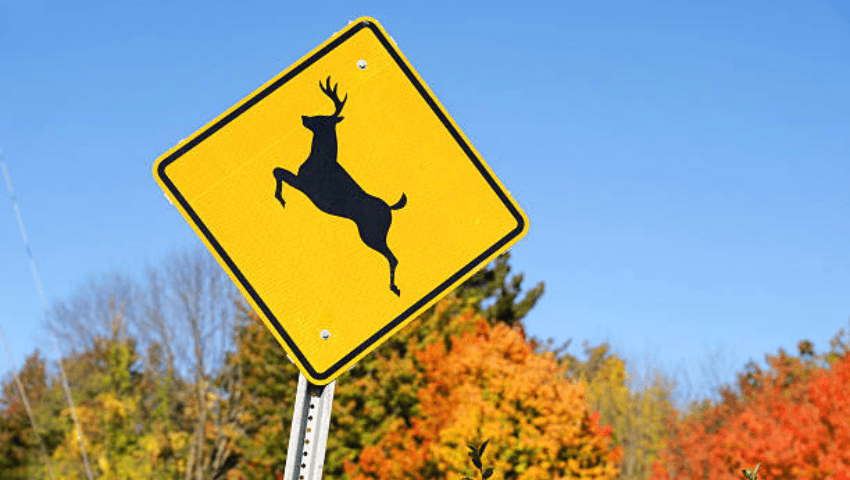
What to Do After Hitting a Deer, Moose, or Wildlife in Canada
Move to safety and stay visible
Move to safety and stay visible is an important part of the repair journey for Canadian drivers. In practical terms, this means customers should ask clear questions, document what happened, and work with a repair facility that can explain both visible and hidden damage. Canadian conditions such as snow, ice, hail, road salt, wildlife crossings, and provincial insurance processes can all influence how the repair is inspected, approved, scheduled, and completed.
Do not approach injured wildlife
Do not approach injured wildlife is an important part of the repair journey for Canadian drivers. In practical terms, this means customers should ask clear questions, document what happened, and work with a repair facility that can explain both visible and hidden damage. Canadian conditions such as snow, ice, hail, road salt, wildlife crossings, and provincial insurance processes can all influence how the repair is inspected, approved, scheduled, and completed.
Document the damage
Document the damage is an important part of the repair journey for Canadian drivers. In practical terms, this means customers should ask clear questions, document what happened, and work with a repair facility that can explain both visible and hidden damage. Canadian conditions such as snow, ice, hail, road salt, wildlife crossings, and provincial insurance processes can all influence how the repair is inspected, approved, scheduled, and completed.
Report your claim
Report your claim is an important part of the repair journey for Canadian drivers. In practical terms, this means customers should ask clear questions, document what happened, and work with a repair facility that can explain both visible and hidden damage. Canadian conditions such as snow, ice, hail, road salt, wildlife crossings, and provincial insurance processes can all influence how the repair is inspected, approved, scheduled, and completed.
Why wildlife damage can be more serious than it looks
Why wildlife damage can be more serious than it looks is an important part of the repair journey for Canadian drivers. In practical terms, this means customers should ask clear questions, document what happened, and work with a repair facility that can explain both visible and hidden damage. Canadian conditions such as snow, ice, hail, road salt, wildlife crossings, and provincial insurance processes can all influence how the repair is inspected, approved, scheduled, and completed.
Customer checklist
- Take photos of the damage and surrounding conditions.
- Save your claim number and insurance information.
- Ask whether hidden damage may be found after teardown.
- Ask whether parts availability could affect timing.
- Ask whether diagnostics, scanning, or calibration may be needed.
- Request updates if the estimate or timeline changes.